
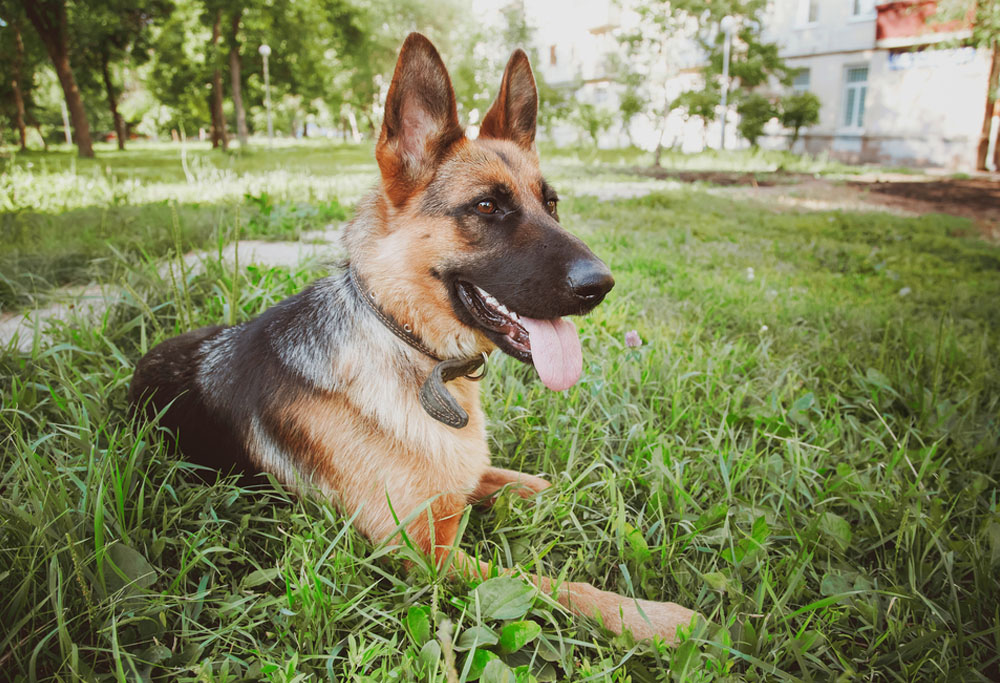
In this month’s Dog Breed Corner we have the German Shepherd! Check out the German Shepherd’s origins, personality, trainability, grooming needs and more! Do you require a Pet Minder who can be satin’ your Alsatian? Via Mad Paws, you can find Dog Sitters in Townsville, Perth, Sydney, and everywhere in Australia!
 Quick Facts ✔
Height – 55 – 65 cm
Weight – 22 – 40 kg
Lifespan – 10 – 14 years
Country of origin – Germany
Breed type – Herding Dog
- Active owners
- Owners looking to for a trainable dog
- Owners looking for working dogs (eg herding)
German Shepherd Breed History ♜
Before German Shepherds became Hollywood stars, police dogs, and walking neighbourhood surveillance systems, they were humble herding dogs roaming the German countryside.
And surprisingly? The breed isn’t actually that old.
German Shepherds only emerged in the late 1800s, when shepherds across Germany began breeding dogs for one thing above all else: usefulness. Forget coat colours or fancy pedigrees. These dogs were bred to work.
A good Deutsche Schäferhund needed:
- intelligence
- confidence
- independence
- gentle control around livestock
- ears capable of hearing a cheese wrapper from 3 suburbs away
By the 1850s, breed standardisation was becoming more commonplace. It was then that an ex-calvary captain named Max von Stephanitz took a special interest in these shepherd dogs. Using his experience from veterinary college and familiarity with working dogs, he set out to standardise the German Shepherd.
In 1899, Hektor Linksrhein came onto the scene. And no, Hektor wasn’t another breeder. Instead, he was the world’s first official German Shepherd. Von Stephanitz bought him on the spot, changed his name to Horand von Grafrath, and started the Society for the German Shepherd Dog.
From there, the breed took off. But with two world wars on the horizon, it was, perhaps, unfortunate timing. During World War I, the German Shepherd proved to be invaluable to the German front. They served as messengers, lookouts, search-and-rescuers, and even carriers of ammunition and other supplies to the front lines.
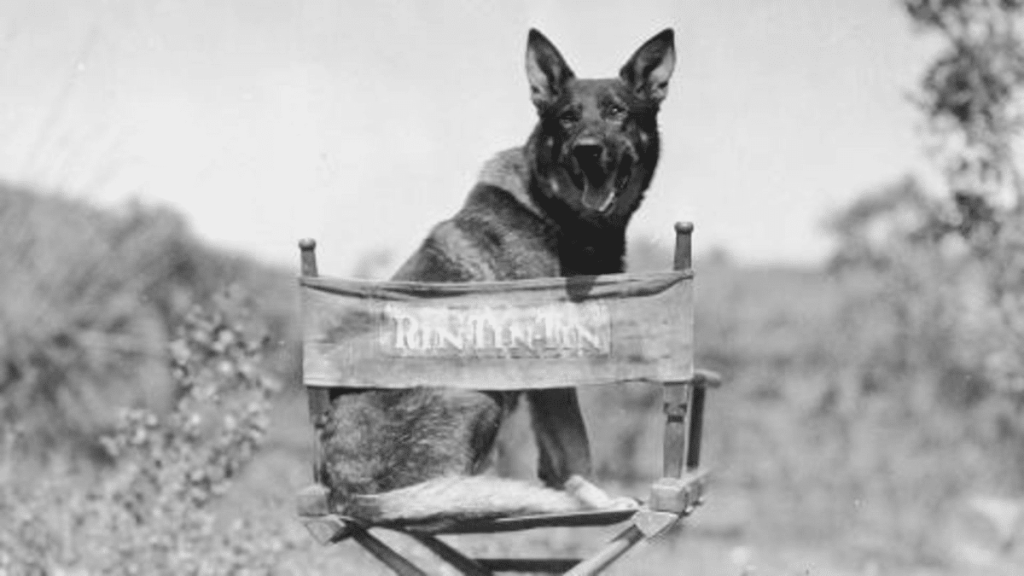
After World War I, the breed made its way back to the United States, where they found success in Hollywood. With the very special canine actor, Rin Tin Tin, Americans developed a love for the German Shepherd. And off screen, the breed would continue to serve chiefly as police and military dogs.
By the time World War II broke out, German Shepherd Dogs were used again – this time, on both sides. Because these dogs weren’t commonly thought of as family dogs at the time, the breed was hard hit from the destruction of the war. Still, dedicated German Shepherd Owners pulled the breed through, and eventually the numbers would recover.
Today, German Shepherds do a bit of everything:
- police work
- military service
- search and rescue
- therapy and assistance work
- competitive sports
- supervising BBQs from across the backyard
And while they still have that tough, capable reputation, most Owners will tell you the same thing:
Underneath all that confidence is usually a giant emotionally complicated weirdo who wants to follow you into the bathroom.
German Shepherd v. Alsatian:
For a period of time, some countries stopped using the name “German Shepherd” due to anti-German sentiment after the World Wars. Instead, they adopted the name Alsatian.
Despite heated debates from dedicated dog enthusiasts, Alsatians and German Shepherds are essentially the same breed.
German Shepherd Personality Traits ★
There’s a special understanding amongst German Shepherd Owners. You might see them share a nod or a knowing smile. Because if there’s one thing that many people don’t know about the German Shepherd, it’s that they are a dog with a complex personality.
On the one hand, they’re everything you would imagine them to be. Intelligent, loyal, confident, and protective. They’d go to the ends of the earth for their family, and they form especially strong bonds with their Owners. In fact, we made sure to include them in our list of the Most Loyal Dog Breeds. Beyond that, they’re active and aware of everything going on around them, making them excellent and natural watch dogs.
And then, there’s the side of the German Shepherd that might surprise you. They can be goofy, clumsy, affectionate, clingy, and easily startled.
On paper, they sound intense:
- intelligent
- loyal
- protective
- alert
- highly trainable
And yes, they absolutely are all of those things.
This is a breed that forms incredibly deep bonds with their family. Once a German Shepherd decides you’re part of their “herd,” they take the role very seriously. Emotionally, spiritually, sometimes too seriously.
They want to know where you are, what you’re doing, why you went into the other room without them, and whether the suspicious leaf outside has been dealt with.
German Shepherd Trainability
German Shepherds (GS) are big dogs. Not just in their physical stature, but in their presence and personality. There’s no getting around the fact that they can be intimidating to many people, even if you know them as the big cuddlers they are at home.
One thing that we see frequently with German Shepherds is that a stranger will show fear around one of these doggos, which, in turn, will raise anxiety in the German Shepherd. And a nervous dog is a recipe for disaster.
For this reason, it’s extremely important to take training seriously with a German Shepherd.
Luckily, training is one of the things that the GS breed does best. In fact, this breed consistently ranks as one of the most intelligent dogs when it comes to recall time. Simply put, they learn new commands faster than other breeds.
Despite popular belief about these dogs needing harsh handlers, they actually respond best to positive reinforcement training. Because they prize their relationship with their beloved Owner above all else, they can be quite sensitive to yelling.
While teaching a German Shepherd basic commands is easy and fun, socialisation may take a bit more time and effort. They must socialise with a variety of different animals and strangers from a very young age if they’re going to learn to behave well with others. If you bring home a German Shepherd who has not undergone proper socialisation, you’ll need to work slowly and consistently to ensure that they learn to trust newcomers. It might be appropriate to incorporate muzzle training during the transition period.
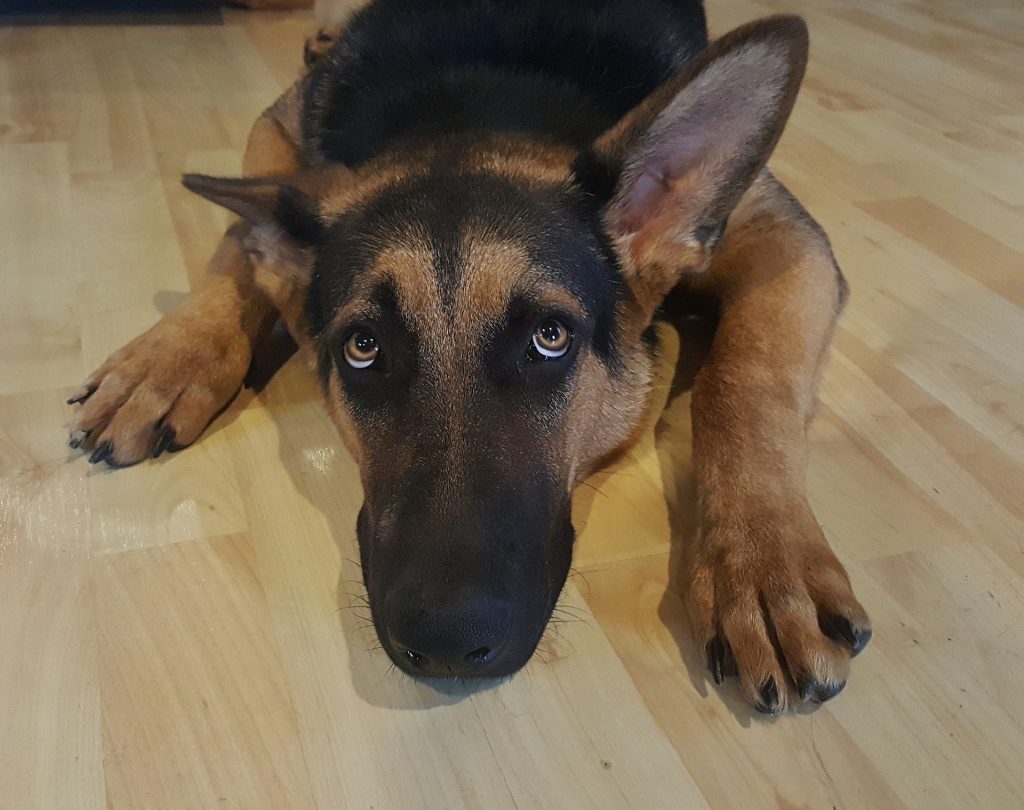
Underneath their tough exterior and stereotype is just a loveable velcro dog
Exercise Needs
German Shepherds evolved for endurance and sustained focus, but they may also surprise you with their high level of playfulness. Whatever way you slice it, though, this is a dog with high energy needs.
German Shepherd Owners will tell you that if their high-strung pupper doesn’t get at least an hour of intense exercise per day, they’ll pay for it later with a virtually unmanageable dog. A German Shepherd with too much energy is bound to look for outlets in the home, whether that means demanding playtime with you or destroying your most treasured items.
Do yourself and your home a favour by giving them plenty of exercise and calling in a dedicated Dog Walker regularly.
Living Conditions ⌂
One thing to know before bringing home a German Shepherd: they do not enjoy being excluded from family life. After all, they’re well-known as being a ‘velcro dog’.
This breed thrives on companionship and purpose. Without enough exercise, stimulation, or attention, boredom can turn into:
- destruction
- barking
- anxiety
- “creative interior redesign” via couch cushions
You may have already guessed this, but the German Shepherd is not an apartment-friendly dog. They’re at their most joyful in a spacious abode, and will thrive in a backyard. Just make sure you have a high fence installed – this breed could compete in the Olympics for high jump, and will clear a low fence like it’s a washing basket.
Be sure to give them plenty of chew toys or mentally stimulating games to keep them active. Their vocal tendencies can also be an issue for neighbours, so make sure to read up on How to Stop Excessive Barking to address this common issue.
German Shepherd Grooming ✄
German Shepherds may not require trips to the groomers, but they’re not the most low maintenance dogs around. With a thick high-shedding coat, you’ll want to brush them throughout the week so that your home isn’t absolutely covered in fur.
And, with their adventurous attitude towards life, you may find yourself bathing them more frequently than you might expect.
Other than that, grooming comes down to the basics. Regular tooth brushing and ear cleaning will get the job done.
German Shepherd Health +
Health is a hot topic in the world of German Shepherds. Unfortunately, many decades of inbreeding and other questionable breeding practices have put the breed at risk for hip and elbow dysplasia. The breed is also at risk for degenerative spinal stenosis and degenerative myelopathy. In general, breeders can lower these risks with responsible breeding practices; and today, the community is much more proactive about the health of the breed.
In addition, some unavoidable risks include bloat, which is possible in all barrel-chested large dogs, and ear infections.
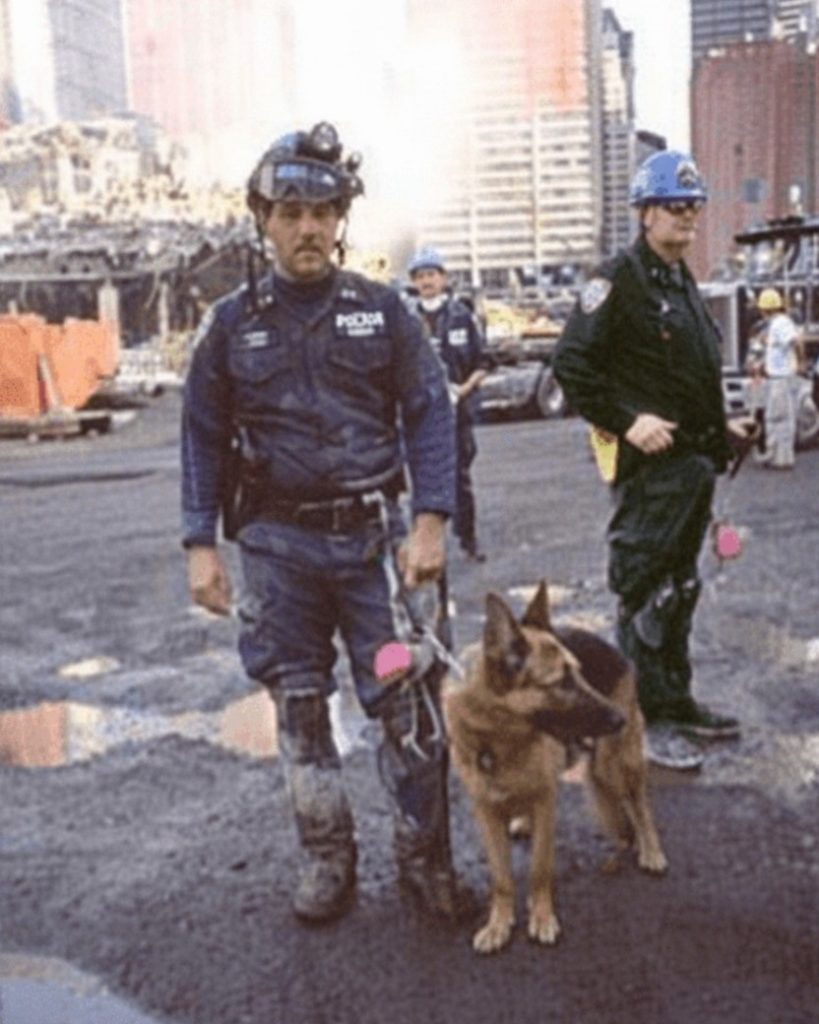
Fun Fact ♥While we wouldn’t consider this fact particularly fun, we did want to take the opportunity to celebrate the work of a modern-day hero, the German Shepherd Apollo. Apollo was born in 1994 and was one of the first dogs ever to learn search-and-rescue for the NYPD. On 11 September, 2001, Apollo and his handler Peter Davis were the first K-9 team to arrive on-site. In fact, they did so only 15 minutes after the collapse of the South Tower. In the following weeks, Apollo and his handlers would search for survivors in the rubble for up to 18 hours a day. Apollo’s tireless work not only saved countless lives but also earned him the prestigious Dickin Medal, the highest award for animals serving in military action. Apollo is one of eleven German Shepherds to win the Dickin Medal since its inception in 1943, which is more than any other dog breed. Amazingly enough, the Dickin Medal has also been awarded to 32 pigeons, 5 horses, and 1 cat. |
When you think about (hu)man’s best friend, the German Shepherd should be a top contender. They’re unyielding in their love and loyalty for their Owners, and once you’ve broken into the inner circle of a German Shepherd’s core “herd,” you’re in store for years of affection. It’s no wonder why Owners of German Shepherds tend to own one after another.
These doggos do require a bit of patience and attention, and we wouldn’t consider them to be low-maintenance in the least. With high energy and a risk for destructiveness, this breed needs a lot of care. Even with the help of an energetic Dog Walker, you’ll need to put in some steps everyday yourself. And, get ready to live in a constant tornado of German Shepherd fur.
But if you can put in the work needed for training and socialisation, you’ll have a friend for life. Yes, the German Shepherd is loyal. Once you learn how special they are, though, you’ll see that, for German Shepherd Owners, the loyalty is mutual.

1 comment
I got my first German Shepherd when I was three and he was my constant companion until I was 16. We have had four sequentially since and I would never consider another breed. Loyal beyond belief, easily trainable (some more readily than others !), fabulous, forgiving and protective with children of all ages, and at times wonderfully goofy ! To be sure, you don’t need carpet; they provide all the fur you need, daily groomed or not. And yes the DO need DAILY exercise. At least an hour (3-5km walk) with opportunity to partially explore off lead.